

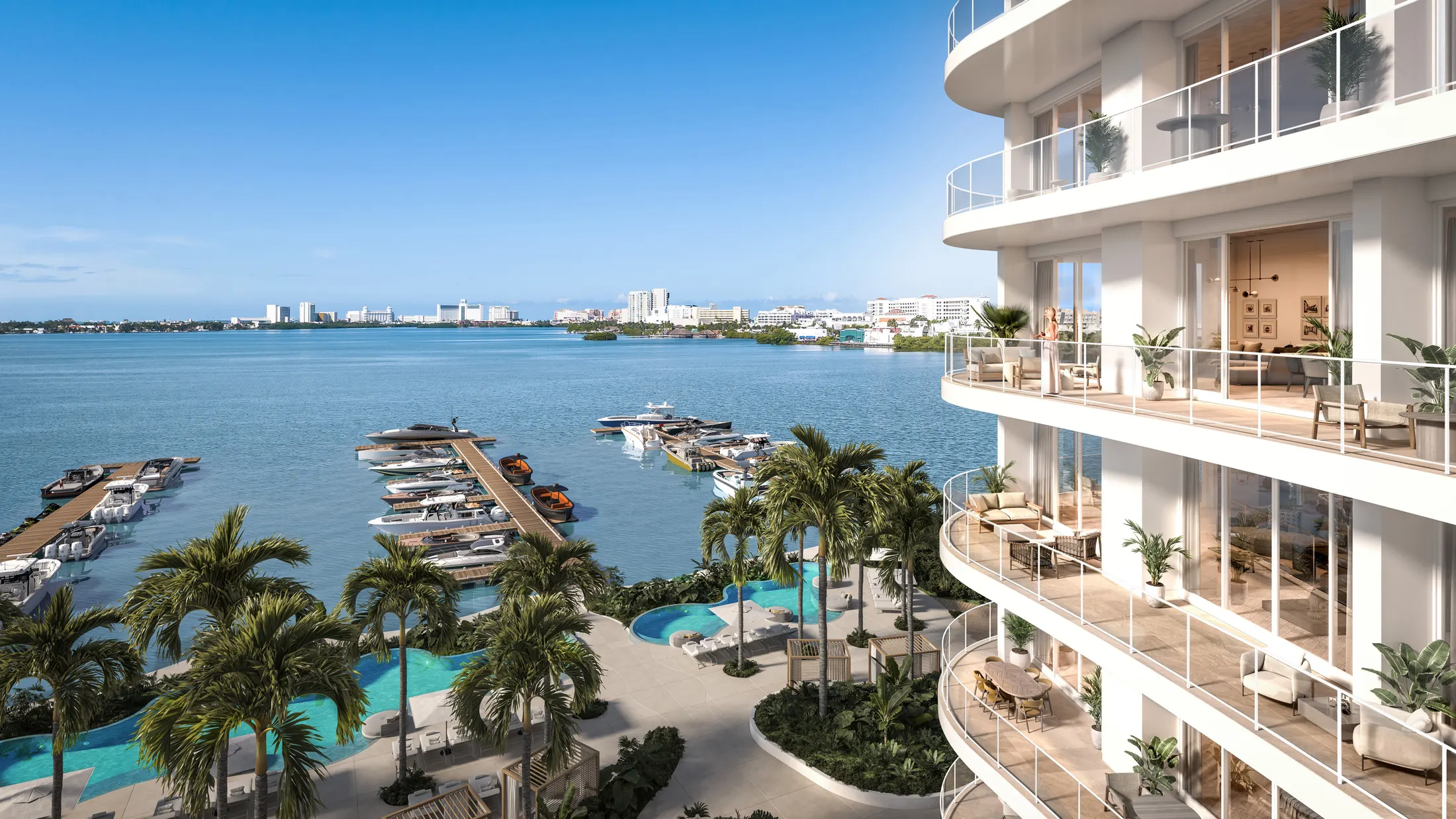
A branded residence pairs a developer with an operator whose name goes on the door. The buyer acquires a home. What the brand adds is a standard of operation that is written into an agreement and enforced by a company whose reputation depends on it.
That distinction is where the performance argument begins, and it is worth understanding before it is priced.
The brand is an operating system
The visible part of a brand is the wordmark. The consequential part is everything it obliges.
An operator that lends its name sets the service standard, trains and often supplies the staff, defines how common areas are maintained, and audits the result. Those obligations survive the closing of the last unit, which is the moment when many unbranded developments begin to drift.
The obligation runs in both directions and that is precisely the point. The operator’s own business depends on what its name signals in every market where it appears. A residence that falls below standard damages an asset far larger than the building itself, so the incentive to hold the line is built into the operator’s own economics.
Where the difference becomes visible
In how the building ages. Maintenance under a brand agreement follows a defined programme with budgets attached, and reserve funds tend to be treated as obligations. A decade on, the difference between a building held to standard and one held to whatever the current owners agreed at the last meeting is visible in the lobby, the lifts, the pool decks and the facade.
In resale. A buyer purchasing into a branded residence is buying a known quantity: a published service standard, an operator with a record, and rules that are already written. Uncertainty is what makes buyers hesitate and discount. Reducing it supports both the pace of a sale and the price at which it settles.
In rental operation. Where a residence participates in a rental programme, the operator brings distribution, reservation systems, a loyalty base and professional management. For an owner who is elsewhere for most of the year, the practical alternative is assembling that operation privately.
In governance. Brand agreements arrive with the condominium rules already drafted: what may be altered, how common areas are used, how disputes resolve. Communities argue less when the rules predate the arguments.
What a brand contributes varies
The term covers arrangements that differ in substance, and the difference matters more than the logo.
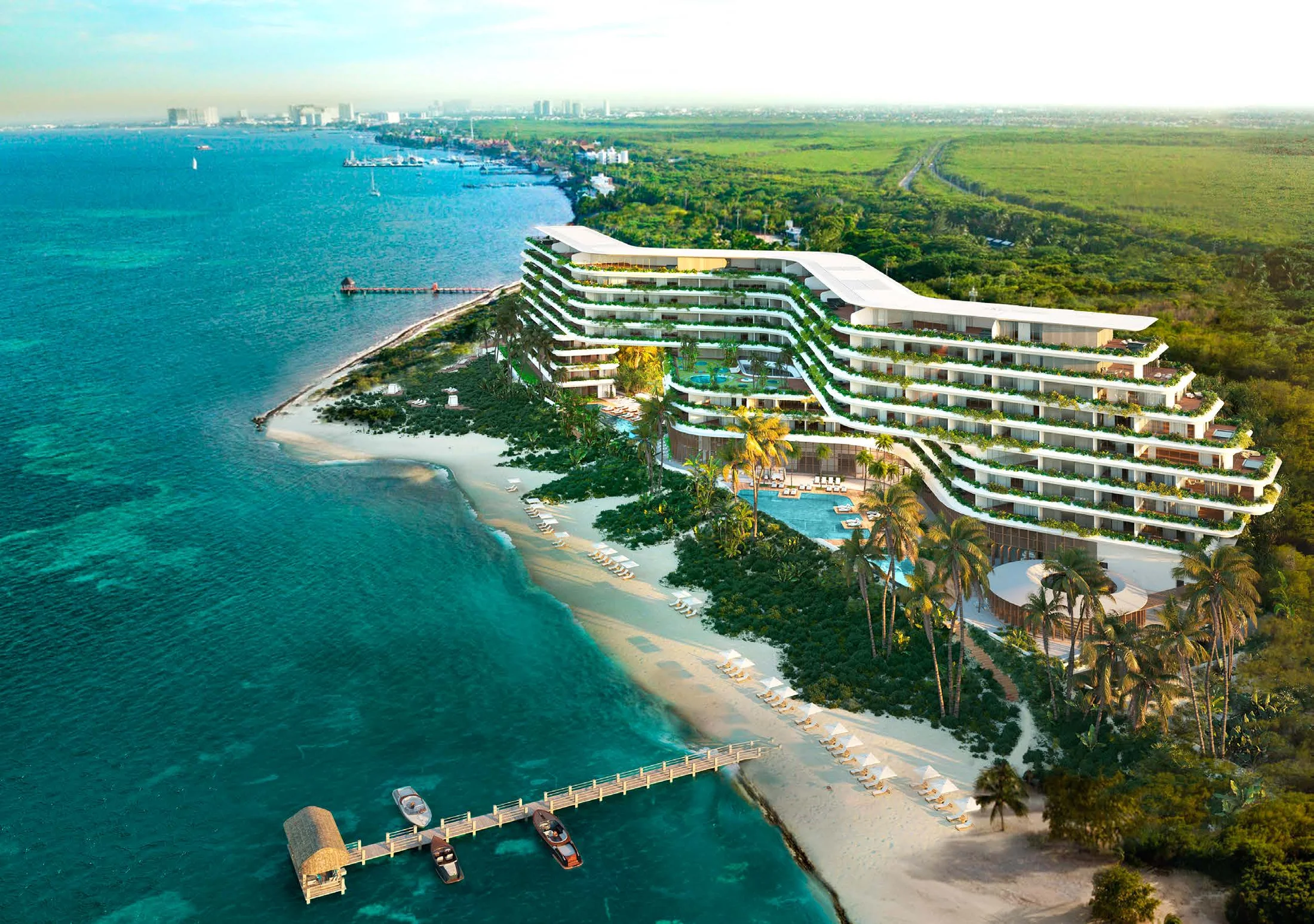
A hospitality operator contributes service, staff and a reservation system. At St. Regis Costa Mujeres, that includes the Butler Service that has defined the brand since its origins, carried into a residential setting.
A wellness operator contributes a clinical programme. SHA Residences Mexico sits beside the first SHA Wellness Clinic in the Americas, with certified medical operation, which is a different order of commitment from a spa and carries its own regulatory weight.
An asset-based programme contributes infrastructure. At ONE LAGUNA, private marina slips are integrated into the building programme itself, in a development designed by HKS Architects. Water access of that kind is defined by geography and permits, and it cannot be replicated by a later competitor at will.
Reading which of these is on offer, and what precisely it obliges, is the substantive work.
What to verify before it is priced
The brand agreement is a contract, and its terms decide how much of the above is real.
What the agreement covers. Service standards, staffing, maintenance obligations and the specific areas included. A licence limited to the use of a name is a different instrument from a full operating agreement.
How long it runs, and what follows. Every agreement has a term. Establish its length, the renewal mechanics, and what happens to the residence if the operator departs. The answer shapes long-term value.
What it costs to run. Branded operation carries operating fees and contributions to reserves. These are ongoing obligations for as long as ownership lasts, and they belong in the arithmetic at acquisition.
What is promised to whom. Access to hotel amenities, priority in rental programmes and use of facilities vary by project and sometimes by unit. Confirm what attaches to the specific residence, in writing.
Who is actually behind it. Brand, developer and operator are frequently three different companies. Each has a record worth examining, and the operator’s is the one that governs daily life in the building.
The argument, in short
A brand in this segment is a commitment to operate to a standard, backed by a company with a reason to keep it. Where that commitment is genuine and contractually defined, it shows up in how the building is maintained, how confidently the next buyer moves, and how the asset holds its position over time.
Where the commitment is thin, the wordmark is decoration. Reading the agreement is what separates the two, and it repays the effort before the price is agreed.
This article is provided for general information and does not constitute legal, tax or investment advice. Brand agreements and their obligations vary by project. Review the specific documentation for any residence under consideration with qualified advisers.